
From Screens to Sleepless Nights: Why Social Media Impacts Your Sleep
By Hortencia DiazDo you scroll through social media before bed? Many of us do. It feels harmless to check Instagram or TikTok while winding down. But those late-night scrolling sessions might be the reason you're struggling to fall asleep.
Social media doesn't just steal your time; it actually disrupts your body's natural sleep processes. The blue light from your screen, the endless stream of content, and the emotional roller coaster of posts all work against restful sleep.
Understanding this connection is the first step toward better rest. Let's explore why social media keeps you up at night.
Blue Light Disrupts Your Sleep Hormone
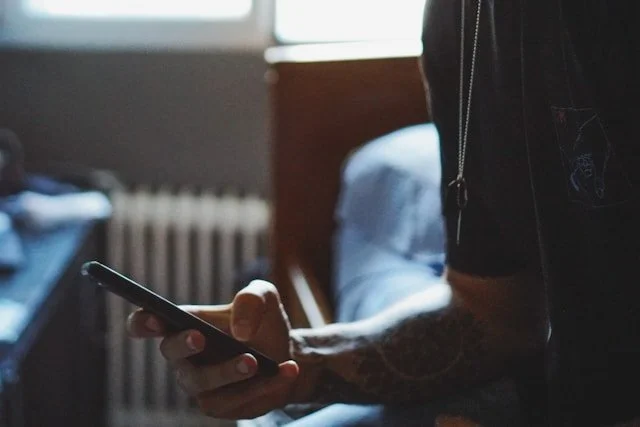
Your phone screen emits blue light. This type of light tricks your brain into thinking it's daytime. Your body produces melatonin, a hormone that signals it's time to sleep. Blue light suppresses melatonin production.
When you scroll before bed, you're telling your brain to stay awake. Your internal clock gets confused. Even if you feel tired, your body isn't preparing for sleep. The more you use your phone at night, the harder it becomes to fall asleep naturally.
Social Media Keeps Your Brain Alert
Social media is designed to capture and hold your attention. Each post, video, or notification triggers a response in your brain. This constant stimulation keeps your mind active and engaged. Your brain needs time to wind down before sleep. But scrolling feeds it a steady stream of new information to process. You think you're relaxing, but your brain is actually working overtime. This mental stimulation makes it difficult to transition into a restful state.
Emotional Content Affects Your Mood
Social media exposes you to a wide range of emotions. You see upsetting news, compare yourself to others, or read heated debates. These emotional experiences don't just disappear when you close the app. Your brain continues processing what you've seen—stress and anxiety increase, anger or sadness linger.
These emotions activate your nervous system in ways that interfere with sleep. Going to bed in an emotionally charged state makes it harder to relax and drift off.
FOMO Creates Anxiety
Fear of missing out, or FOMO, is real. Social media shows you what everyone else is doing. You see friends at parties, vacations, or events you weren't invited to. This can trigger feelings of exclusion and inadequacy.
These anxious feelings don't help you sleep. Instead, they keep your mind racing with worries and comparisons. The more you scroll, the more disconnected you might feel from your own life.
Dopamine Hits Keep You Scrolling
Social media platforms use algorithms designed to keep you engaged. Each like, comment, or interesting post releases dopamine in your brain. Dopamine is a feel-good chemical that makes you want more. This creates a cycle that's hard to break. You tell yourself, "Just one more scroll." Before you know it, you've lost an hour of sleep time.
Poor Sleep Quality Affects Your Mental Health
When social media disrupts your sleep, it creates a harmful cycle. Poor sleep affects your mood, focus, and emotional regulation. You feel more anxious, irritable, or depressed the next day. These feelings might drive you back to social media for comfort or distraction. And the cycle continues. Chronic sleep deprivation can worsen existing mental health conditions.
Breaking the Cycle
Recognizing how social media affects your sleep is crucial. Try setting a phone curfew at least an hour before bed. Use that time for calming activities, such as reading or meditation. Keep your phone out of your bedroom if possible. Consider using blue light filters on your devices. If you struggle to break these habits on your own, therapy can help you develop healthier patterns.
If social media is interfering with your sleep and mental health, I'm here to help. Contact me today to schedule a consultation for anxiety counseling.
