
The Emotional Impact of Political Attacks on Immigrant Communities
Political rhetoric targeting immigrant communities creates deep psychological wounds that extend far beyond policy debates. When public figures use dehumanizing language or propose punitive measures, immigrant families experience profound emotional distress. Understanding these impacts helps us recognize the human cost of divisive political discourse.
Immigrants living under hostile political environments often experience chronic anxiety and hypervigilance. You constantly worry about your family's safety or legal status. This persistent stress activates your body's fight-or-flight response, leading to exhaustion, difficulty sleeping, and physical health problems.
Many immigrants describe feeling like they're walking on eggshells in their daily lives. You avoid certain places, limit social interactions, or constantly monitor news coverage. This hypervigilance takes an enormous toll on your mental and physical well-being.
Identity Confusion and Shame
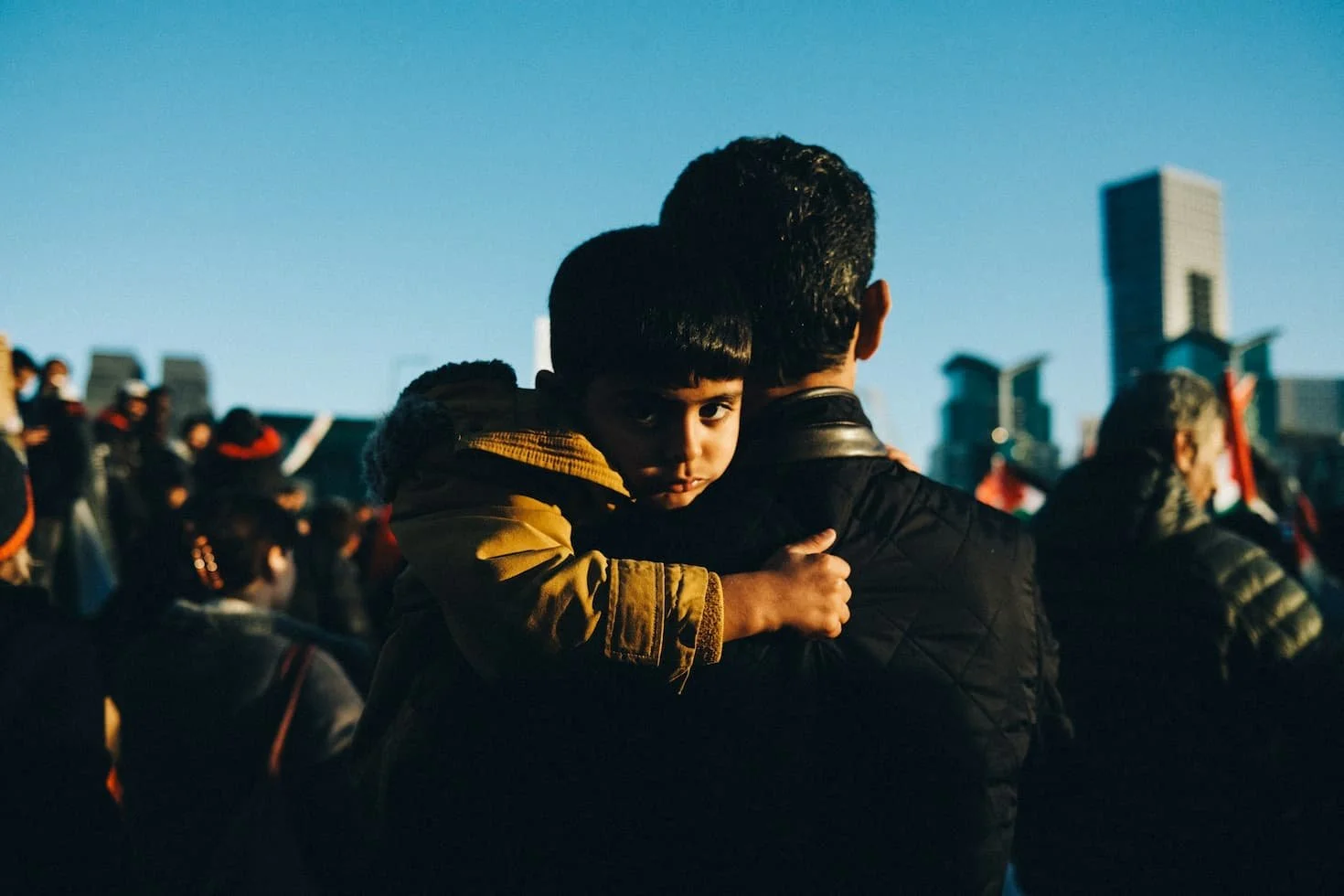
Hostile political rhetoric can make you question your place in society. You struggle with feelings of not belonging anywhere. This identity confusion is especially difficult for children and teenagers who are trying to figure out who they are.
Some immigrants internalize negative messages they hear in political discourse. You feel ashamed of your heritage, accent, or cultural traditions. This shame can lead to anxiety, depression, and disconnection from your community and family.
Family Stress and Relationship Strain
Political attacks on immigrant communities create tremendous stress within families. Parents worry about protecting their children from discrimination while also preparing them for potential threats. You wonder how much to share with your kids about political developments.
Mixed-status families face additional burdens when some members have documentation, and others don't. This creates fear, tension, and difficult conversations about separation. The constant stress can strain even the strongest family bonds.
Trauma Responses and PTSD
For many immigrants, hostile political rhetoric triggers memories of trauma experienced in their countries of origin. You may relive experiences of persecution, violence, or instability. This retraumatization can lead to symptoms of PTSD, including flashbacks, nightmares, and severe anxiety.
The uncertainty created by shifting immigration policies compounds this trauma. You feel powerless and unsafe, unable to plan for your future or make important life decisions.
Impact on Children and Adolescents
Children in immigrant families are particularly vulnerable to the psychological effects of political attacks. They absorb stress from their parents and experience direct discrimination at school or in their communities. Young people may struggle with academic performance, social relationships, and emotional regulation.
Adolescents often feel caught between two worlds, trying to honor their heritage while fitting into American society. Hostile political rhetoric makes this already challenging developmental task even more difficult.
Community Disconnection
Political attacks can push immigrant communities into isolation. You withdraw from public spaces, avoid interactions with authorities, or limit your participation in community activities. This isolation increases loneliness and depression while cutting you off from potential support systems.
Some immigrants stop seeking necessary services, including healthcare and mental health support, out of fear. This avoidance can have serious consequences for both physical and psychological well-being.
Building Resilience and Seeking Support
Despite these challenges, immigrant communities demonstrate remarkable resilience. Connecting with others who share your experiences can provide validation and reduce isolation. Cultural traditions, faith communities, and support groups offer important sources of strength.
Professional mental health support can help you process the emotional impact of living under political hostility. In therapy, you can explore feelings of fear, anger, and grief in a safe environment. You'll develop coping strategies for managing stress and anxiety.
A holistic approach to mental health recognizes how political and social factors affect your well-being. Working with a therapist who understands the unique challenges facing immigrant communities can make a significant difference.
To learn more about trauma counseling for immigrants and their families, please contact us today.
